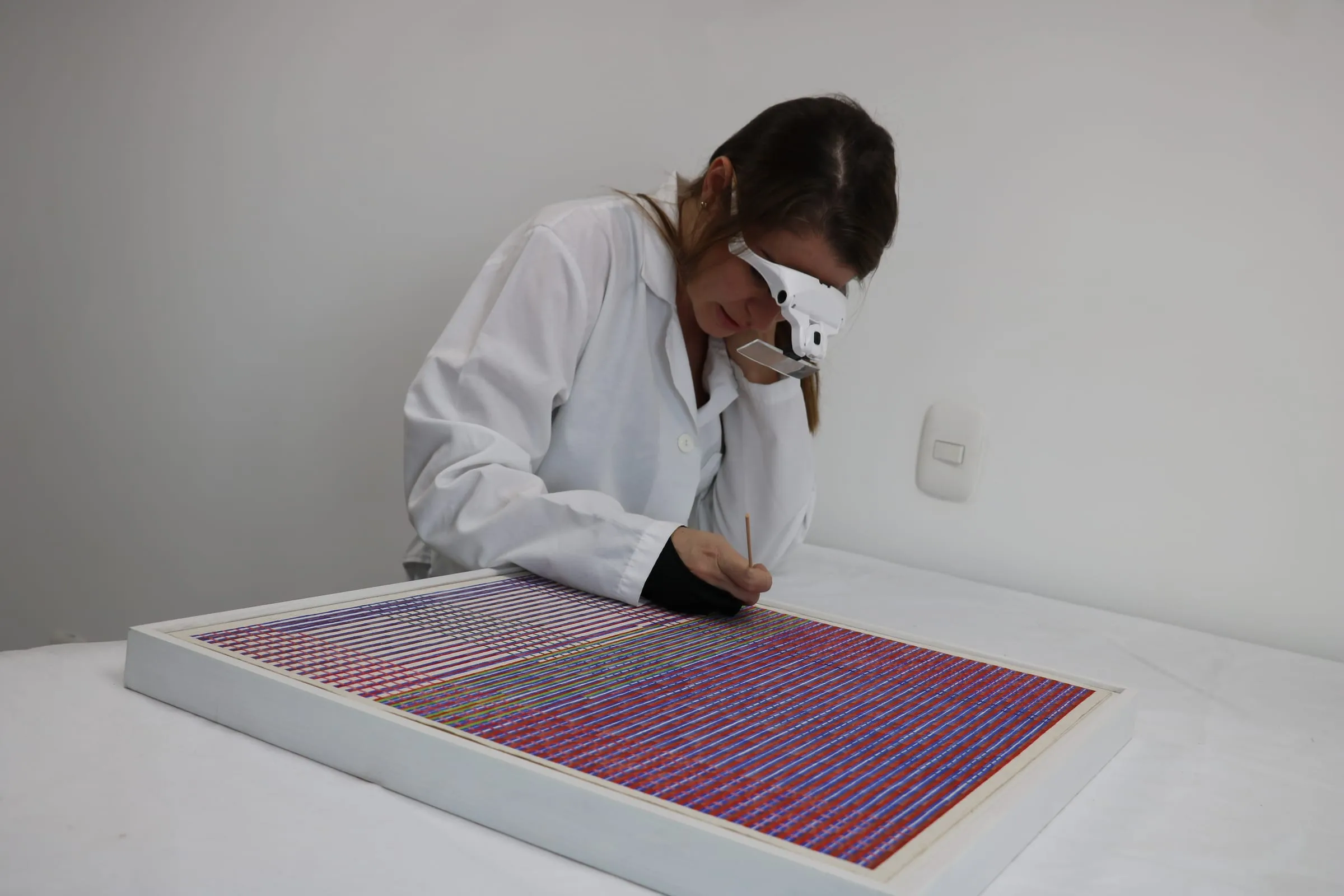
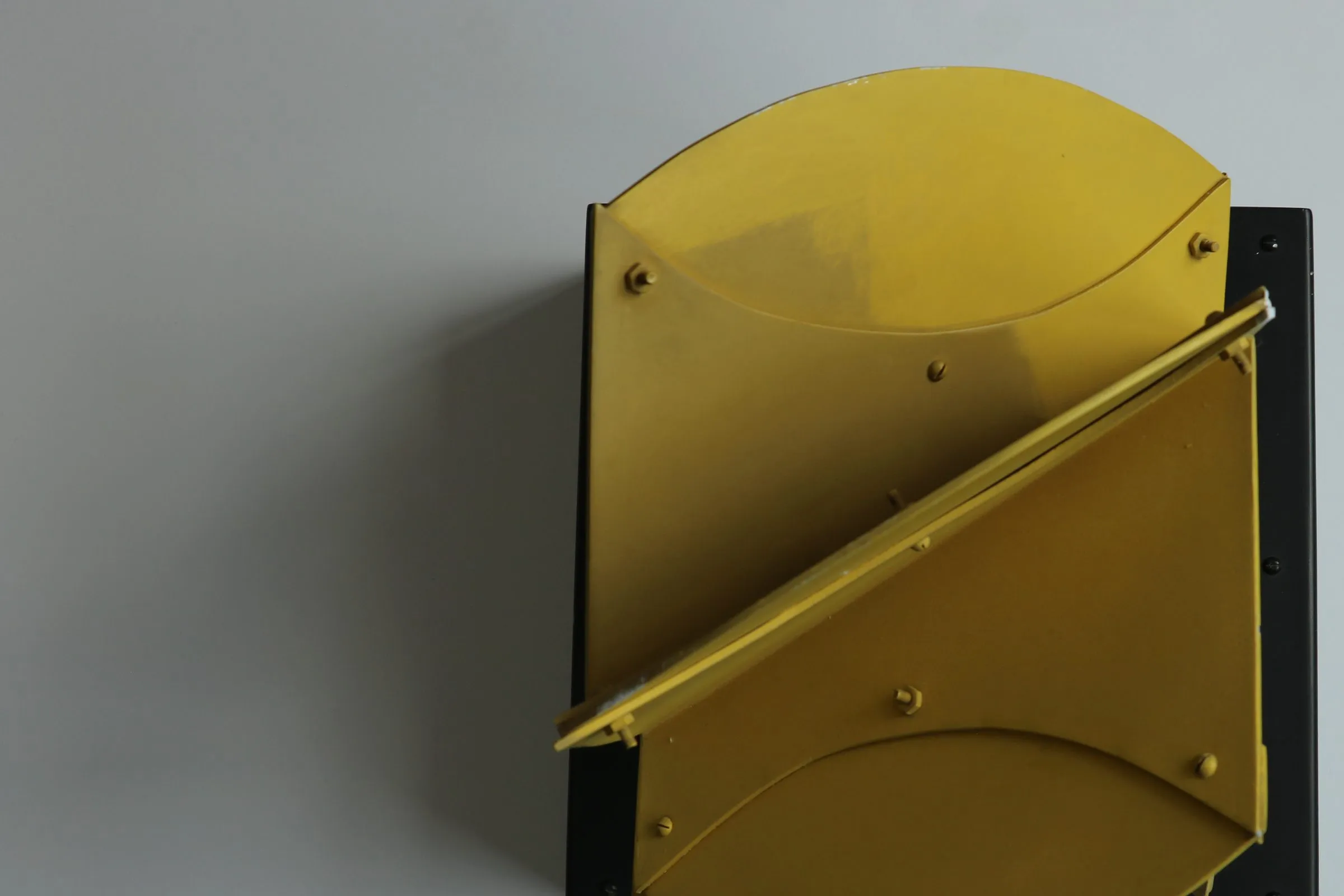
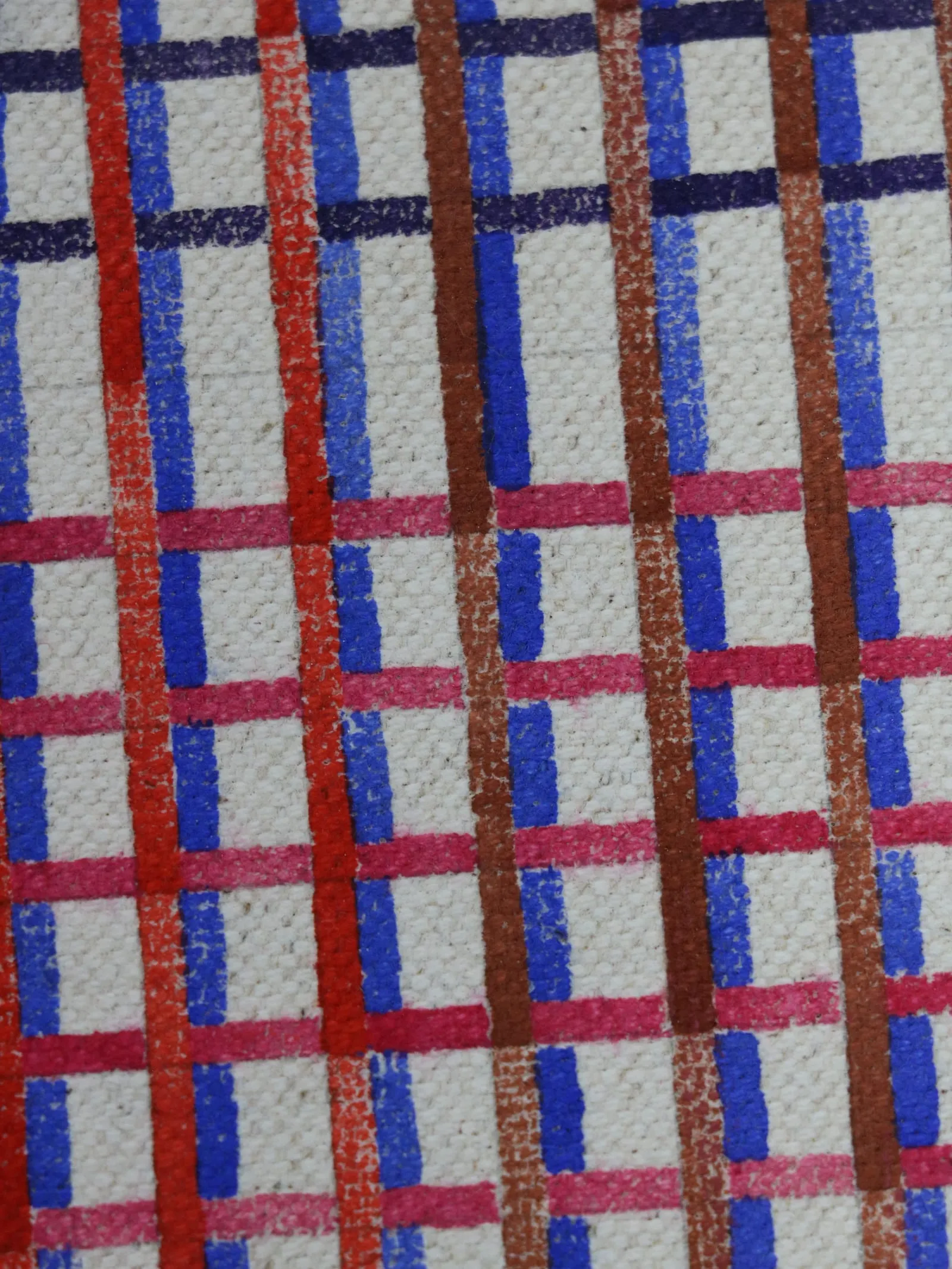
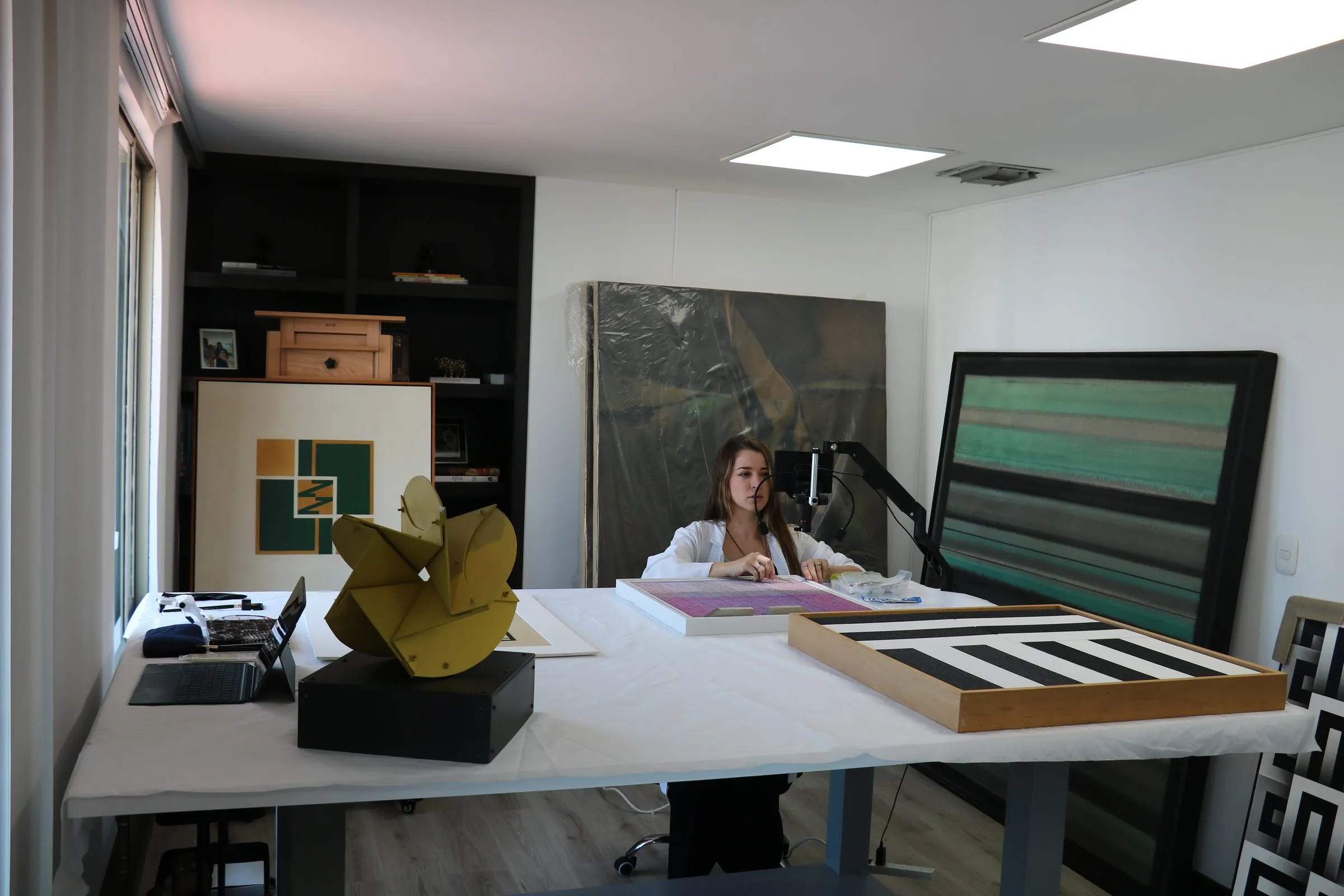
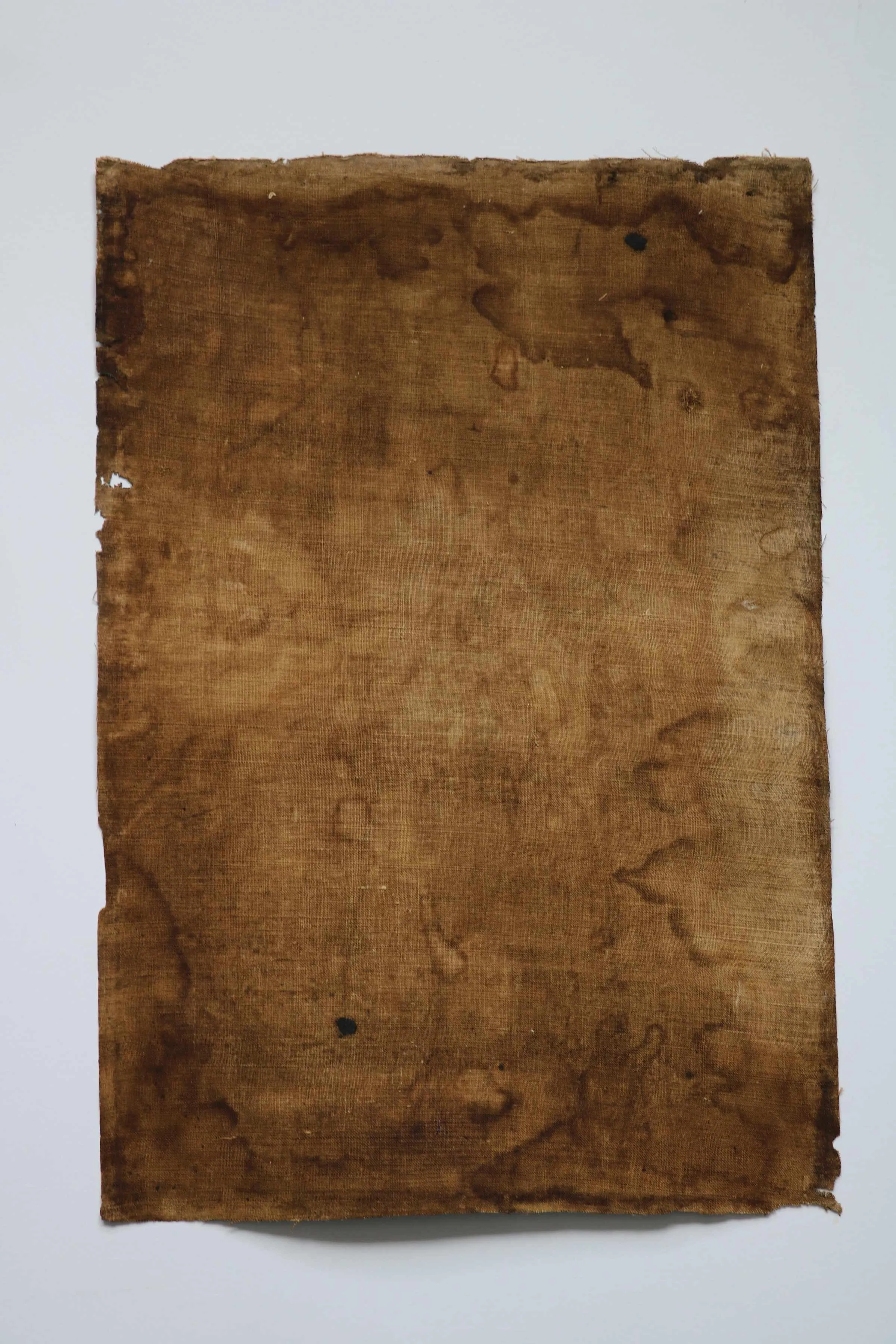
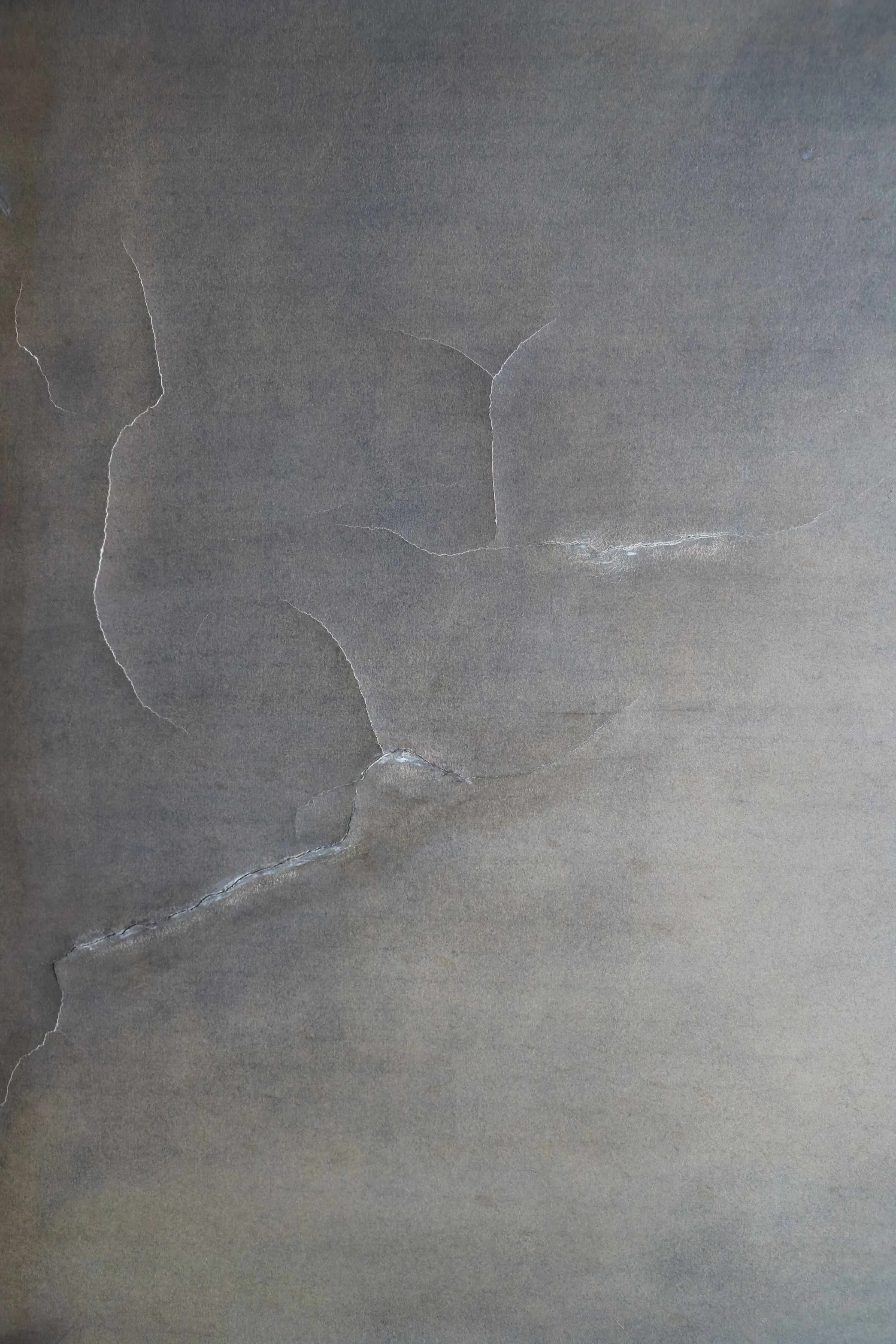
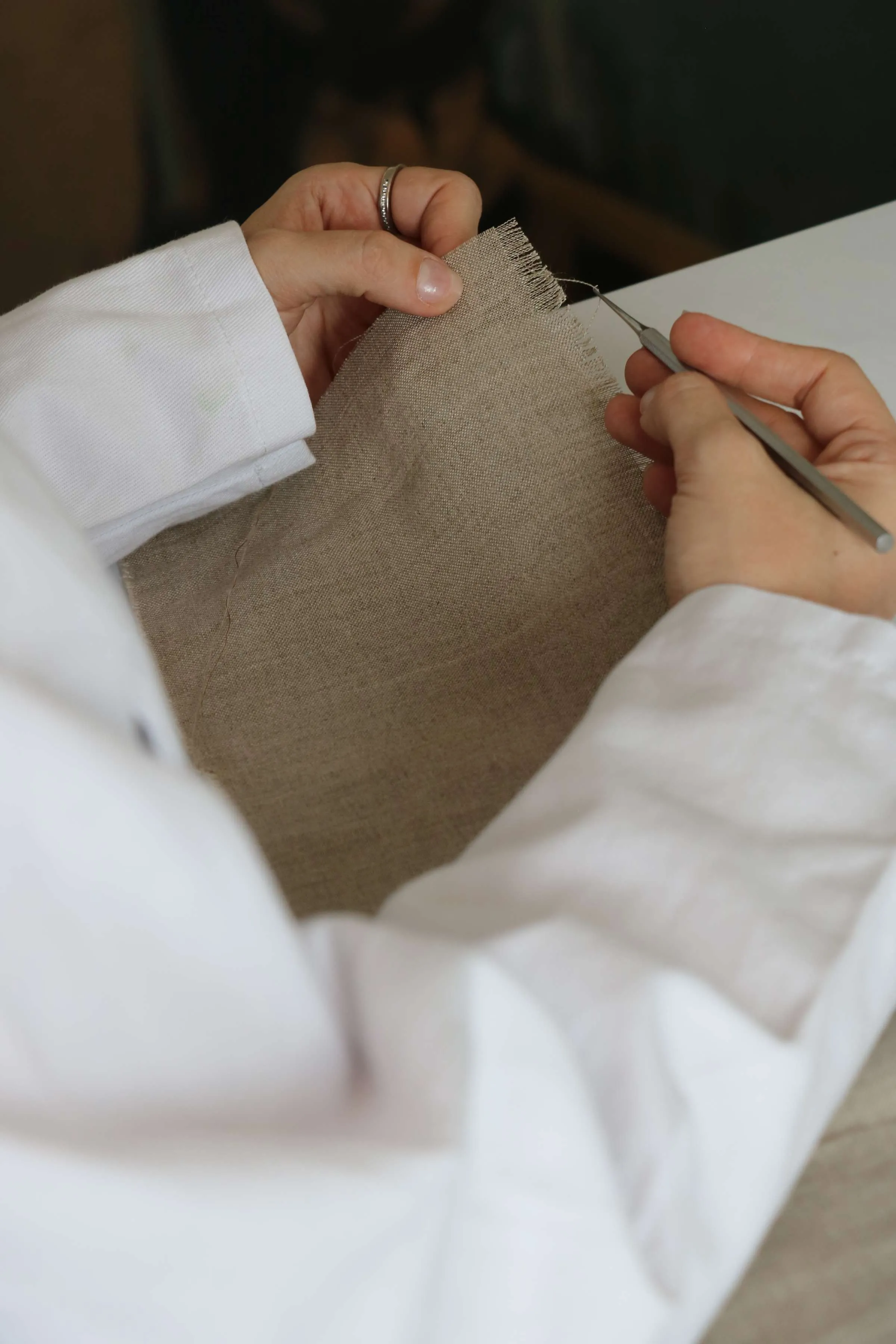
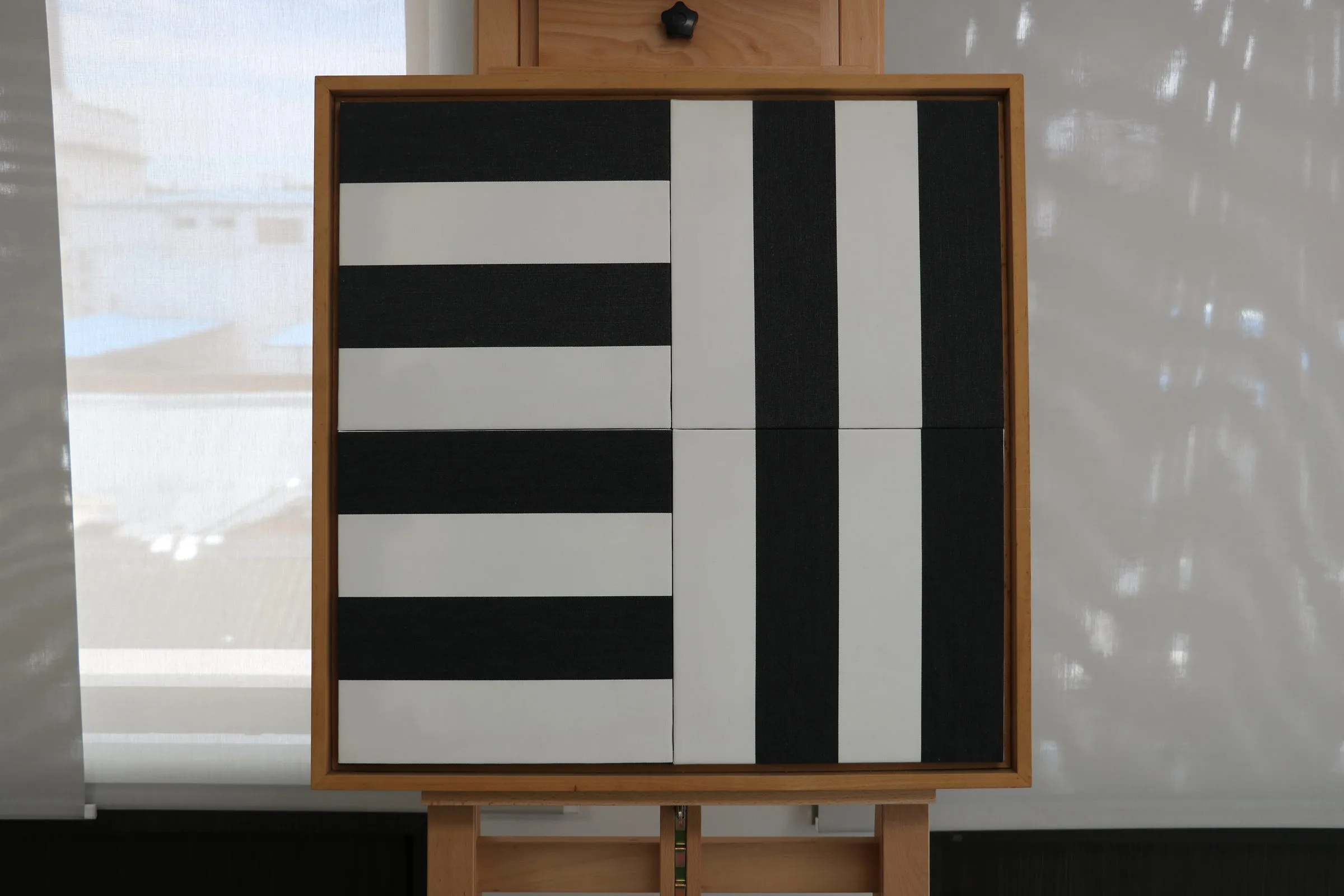
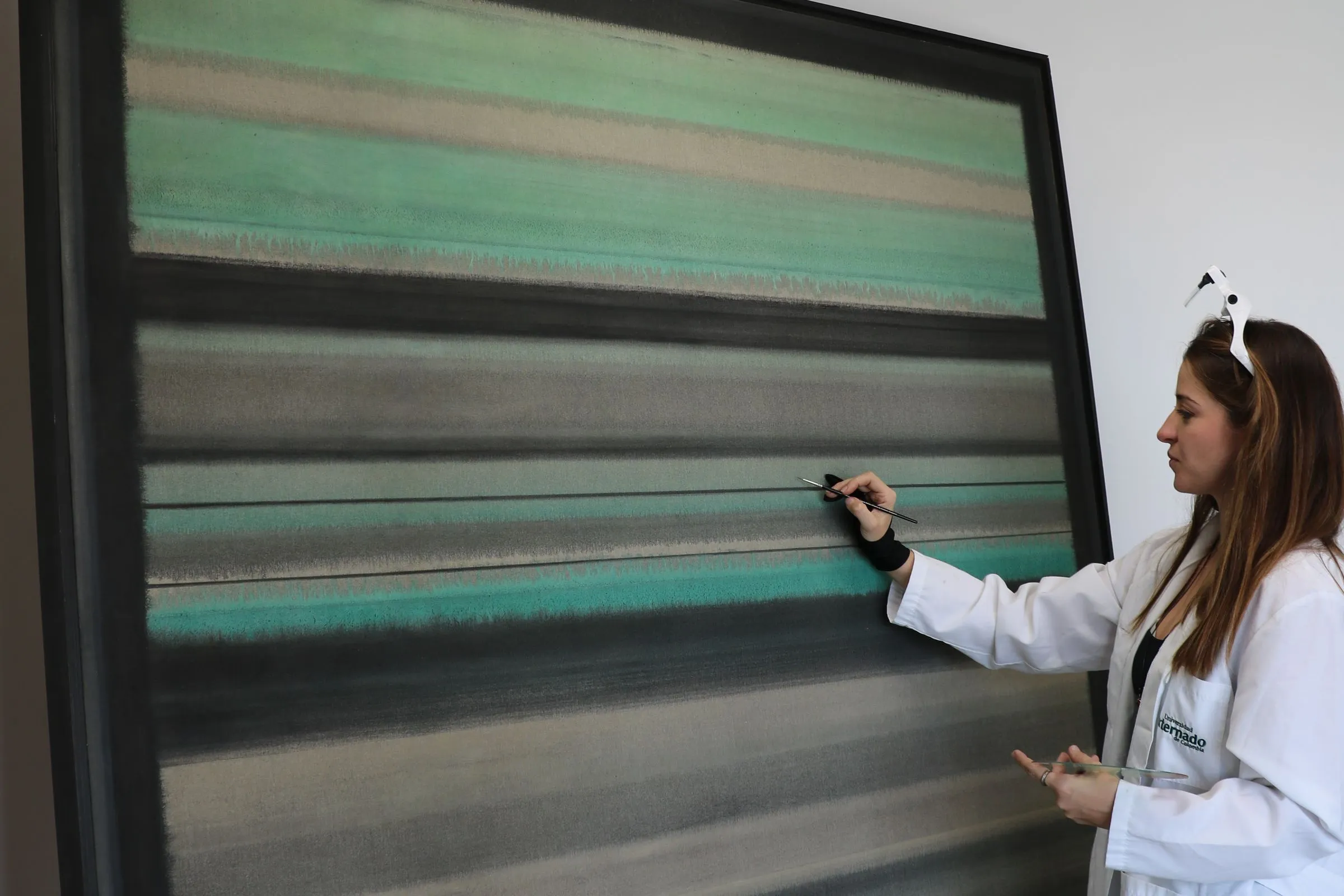
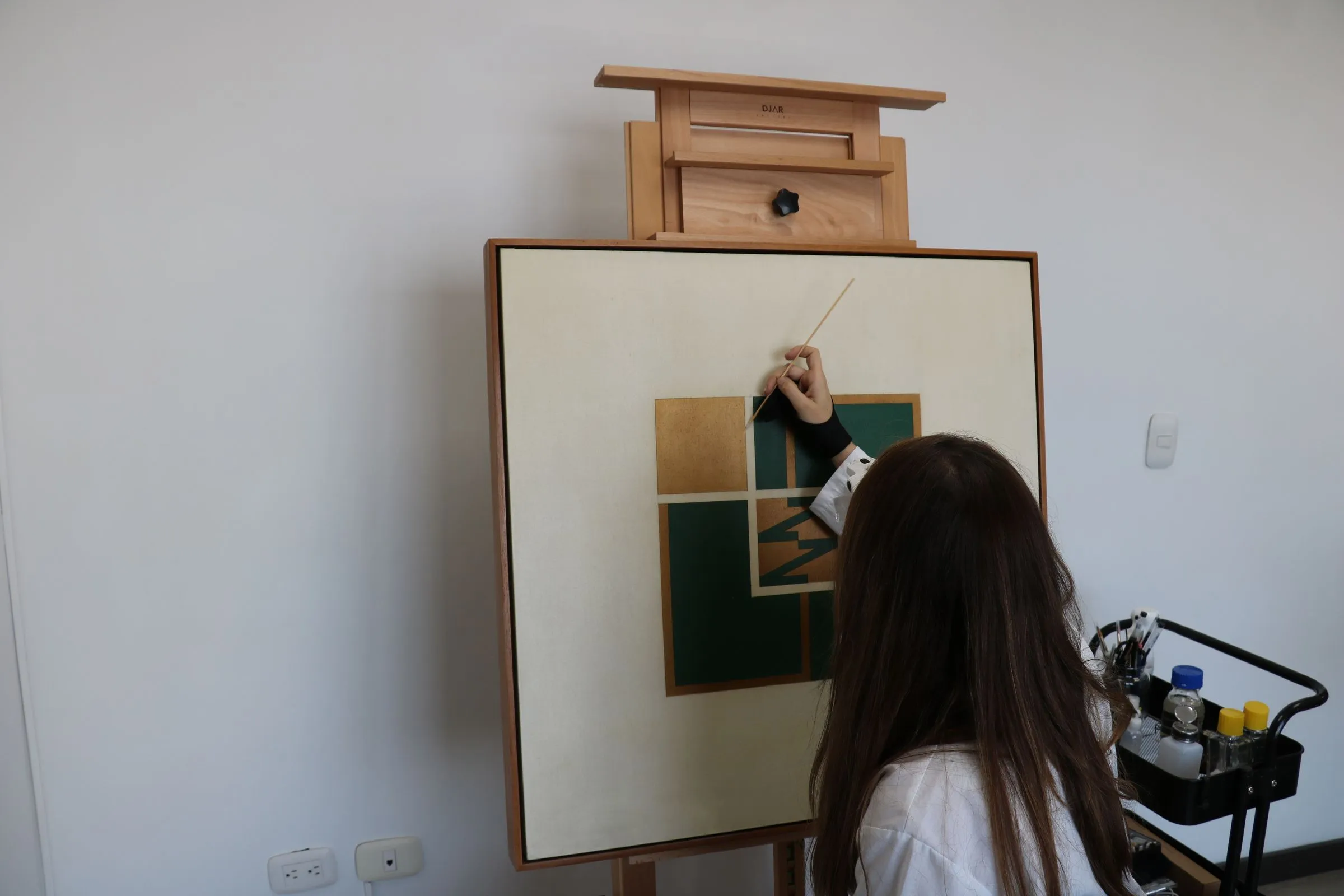
This is how a work is conserved and restored.
The approved conservation and restoration treatments are carried out, according to the specific characteristics and needs of the work.
- 3.1.1 · Diagnosis, conservation & sanitization
Organoleptic examination & digital recording
Exhaustive micro/macroscopic analysis of alterations.
- 3.1.2 · Diagnosis, conservation & sanitization
Official condition reports
Technical conservation sheets and deterioration mapping for private and institutional collections.
- 3.1.3 · Diagnosis, conservation & sanitization
Disinfection & biodeterioration control
Specialized treatments for mold inhibition and the neutralization of biological agents.
- 3.1.4 · Diagnosis, conservation & sanitization
Preventive conservation advisory
Climate and mechanical risk management for exhibition spaces.
- 3.2.1 · Structural treatments
Support stabilization
Correction of planar distortions, tear mending, and fissure bridging in canvas and paper supports.
- 3.2.2 · Structural treatments
Layer consolidation
Micro-localized readhesion of paint layers prone to flaking, lifting, or cleavage.
- 3.2.3 · Structural treatments
Advanced tensioning systems
Application of perimeter strip-lining and conservation lining treatments.
- 3.2.4 · Structural treatments
Secondary supports
Structural adjustment, stabilization, or replacement with conservation stretcher bars.
- 3.3.1 · Aesthetic restoration
Controlled chemical & mechanical cleaning
Removal of surface grime, cohesive deposits, and aged, yellowed, or degraded varnishes.
- 3.3.2 · Aesthetic restoration
Stucco filling & chromatic reintegration
Precision filling of losses (lacunae) and color inpainting using stable, fully reversible materials.